

Rediscovering Bharat through evidence, exploration & inquiry
Books, Sanskrit and other textual traditions, field journeys, archaeology, inscriptions, historical sources and open questions — brought together in one clear place for readers who want to examine India’s past thoughtfully.
Five paths into the archive
01A celebrated Vedic invocation welcoming noble thoughts and beneficial ideas from every direction.
Displayed as authentic Unicode Sanskrit text — not AI-generated decorative script.The language that carried an extraordinary archive of civilizational memory
Sanskrit should have a visible intellectual place in Glories of India — not merely appear as an ornamental manuscript texture. This section will connect original texts with translations, chronology, inscriptions, manuscripts, knowledge traditions and the historical questions explored across the site.
A cleaner way to explore difficult historical questions
Each major topic should guide readers through the question, the evidence, alternative interpretations, the mainstream position where relevant, and the author’s conclusion.
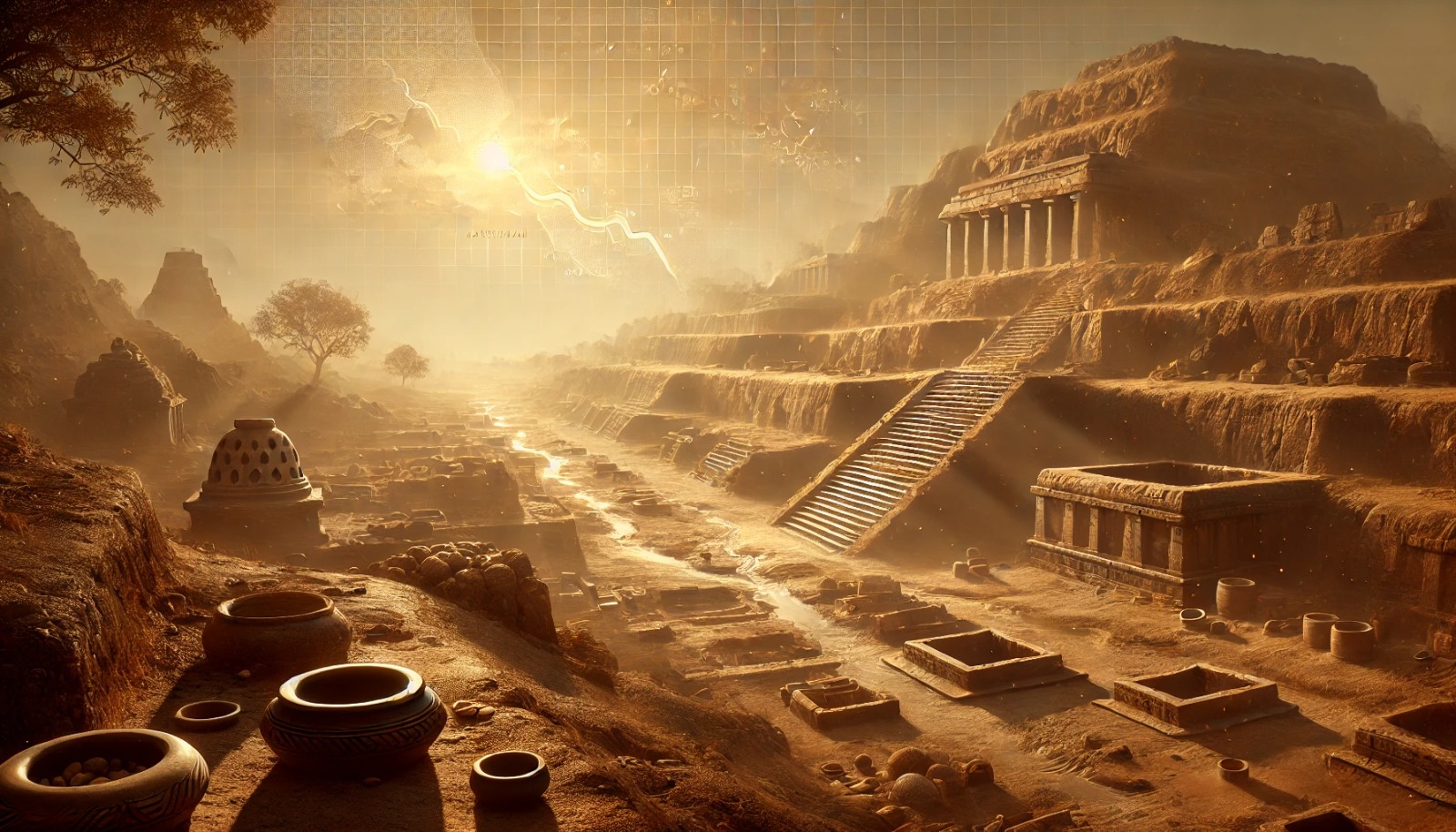
Bhirrana: How far back does the settlement story go?
Explore chronology, excavation claims, material evidence and what the site may — and may not — establish about civilizational continuity.
Read the research →
Saraswati: river, memory and landscape
Follow the conversation between textual memory, palaeochannels, geology and archaeology.
Examine the evidence →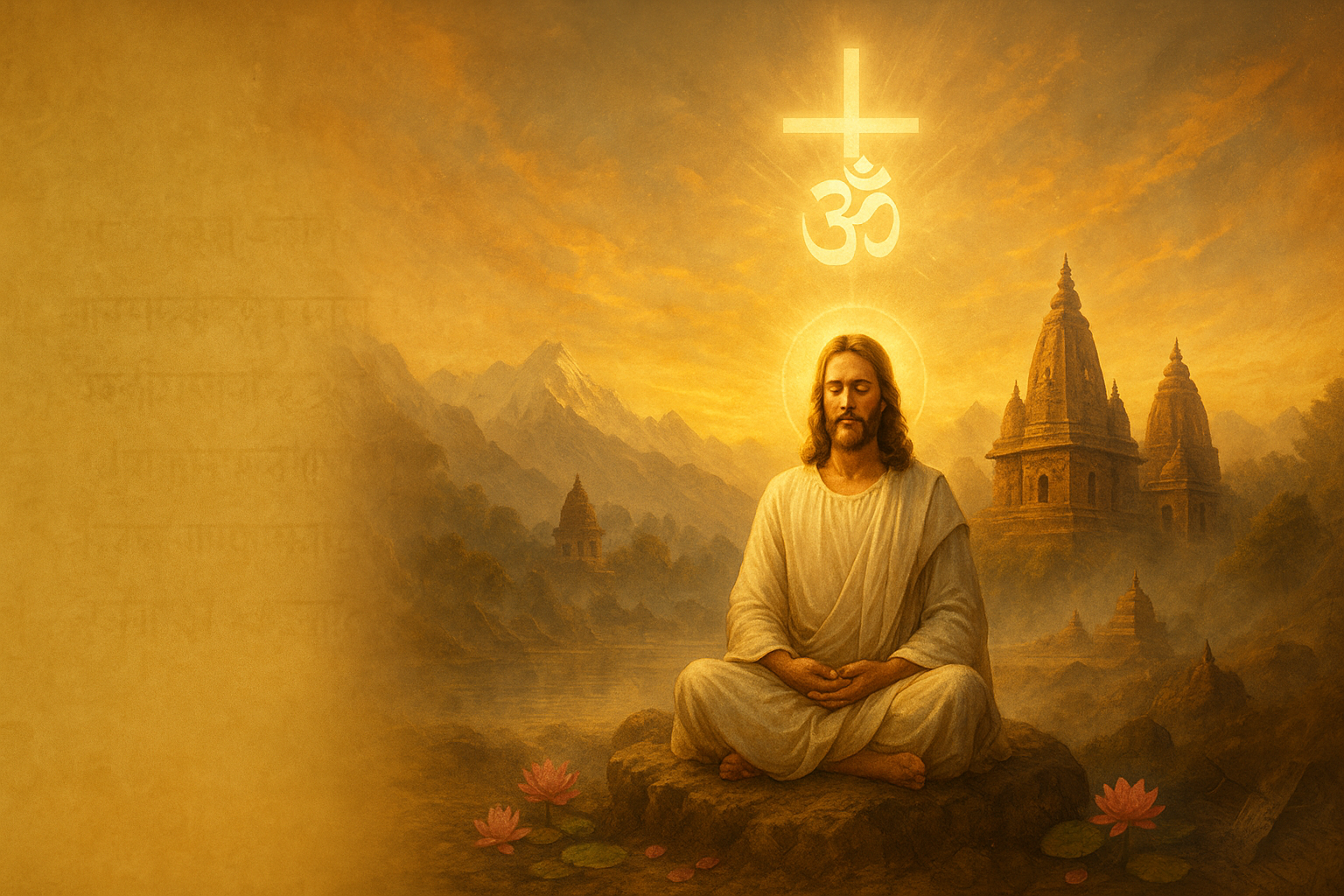
Jesus in India: claims, traditions and open questions
Separate documented history, later traditions, field observations and hypotheses.
Explore the question →Contested monuments & colonial narratives
This section makes monument attribution and colonial historiography impossible to miss. Each case should show the conventional account, the alternative claim, the documents and architectural evidence cited, counter-evidence, and what still requires investigation.
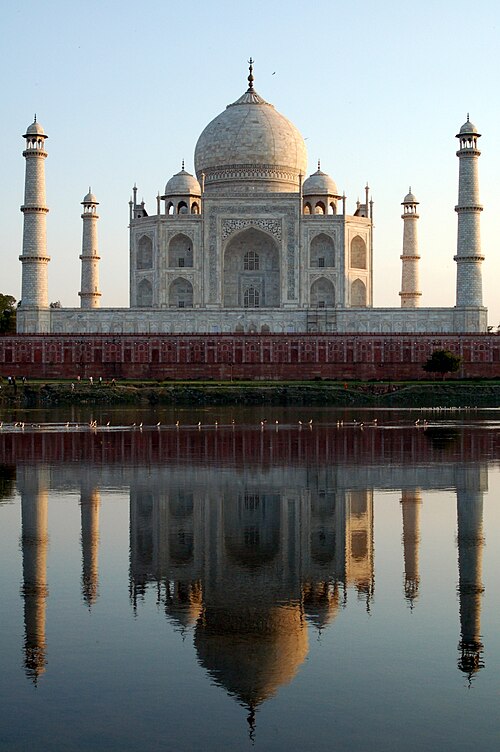
Taj Mahal: tomb, earlier structure, or a more complex history?
Present the accepted Shah Jahan–Mumtaz chronology alongside the Tejo Mahalaya hypothesis, the records and architectural arguments cited for it, scholarly objections, and the questions that remain contested.
Examine the Taj Mahal debate →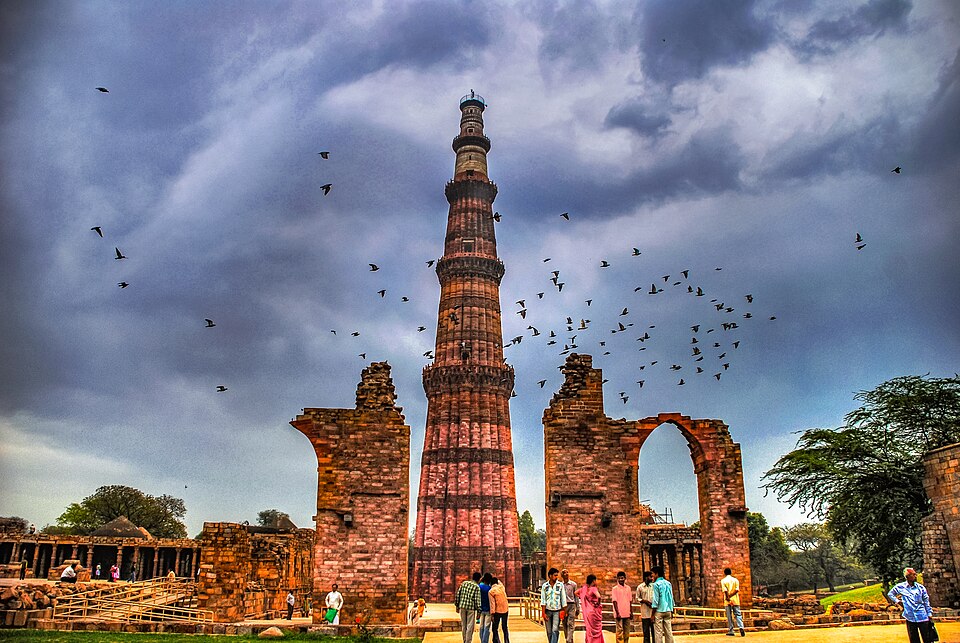
Qutub Minar: construction, reuse and competing attribution
Examine the complex layer by layer: the conventional construction history, documented reuse of earlier temple material in the complex, inscriptions, architectural evidence and alternative Vishnu-stambha claims.
Explore the Qutub questions →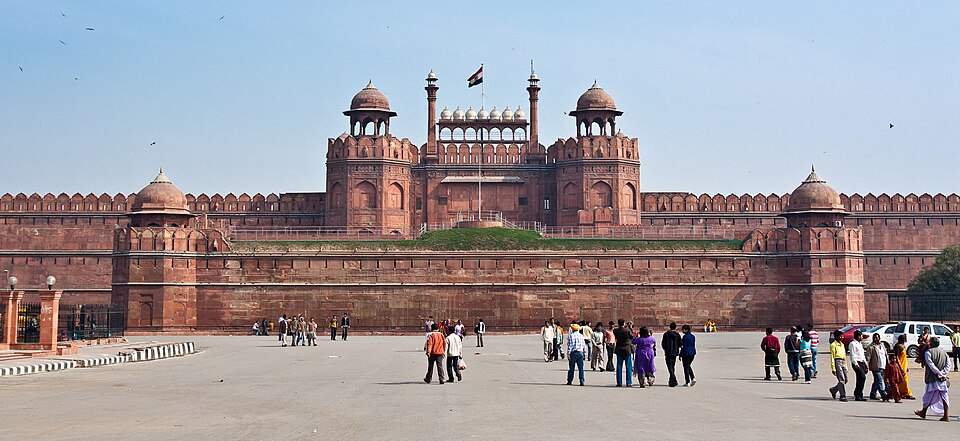
Red Fort: what predates Shah Jahan, and what was rebuilt?
Separate what is securely documented from claims of earlier fortification, renovation and reuse. The new page can compare Persian chronicles, archaeology, architectural phases and alternative interpretations.
Examine the Lal Qila debate →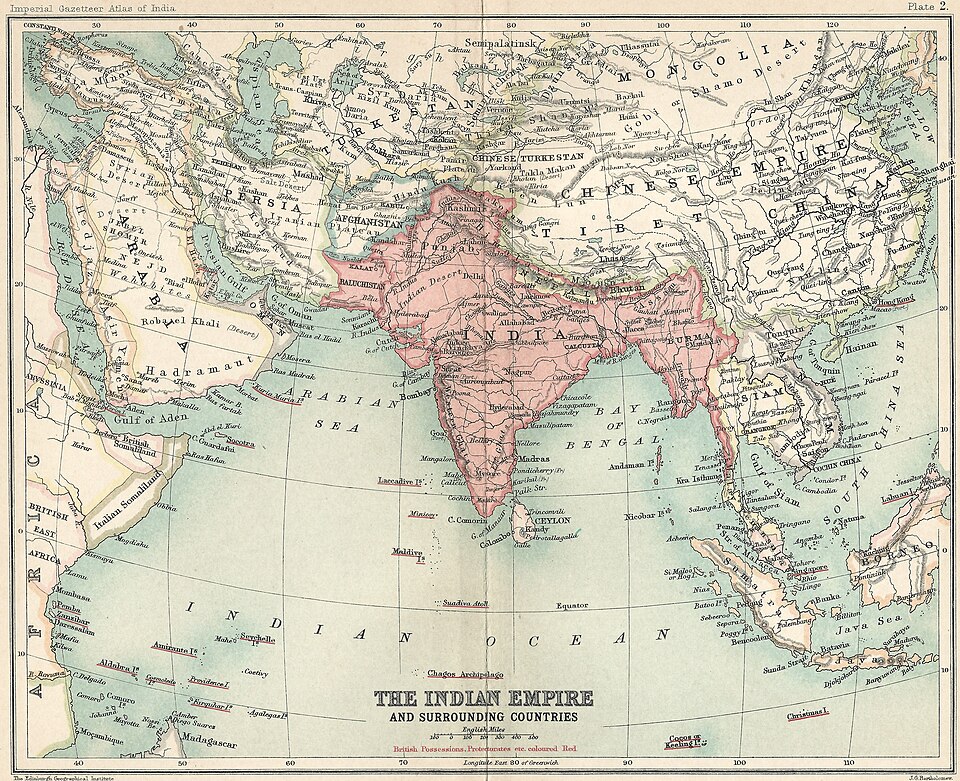 1909 Imperial Gazetteer map — public-domain historical reference
How were India’s timelines, education and monument labels shaped under colonial rule?
Rather than treating “colonial distortion” as a single slogan, the new site can examine it as a documented research programme: who wrote the frameworks, what sources they used, what institutional interests existed, and which conclusions still survive in textbooks and public memory.
Questions for Historians & Scientists
A structured doorway into issues that deserve careful examination — from chronology and archaeology to education, evidence, language, cultural memory and the construction of historical narratives.
When new archaeological evidence appears, how should historical timelines change?
How do we distinguish a textual memory, a later tradition and a verifiable historical event?
Which claims are established, which are disputed, and which remain hypotheses?
How much weight should field observation carry beside published scholarship?
More questions across archaeology, chronology, science, education and cultural memory.
History becomes different when you stand where it happened
One of the new site’s strongest sections: personal visits, photographs, maps, notes, people met and what each journey adds to the historical question.
Bhirrana
Excavation chronology, settlement layers, field observations and questions of continuity.
Open journey →Rakhigarhi
Archaeology, ancient DNA and how modern evidence changes older models.
Open journey →Kashmir & Rozabal
Local traditions, recorded claims, conversations and the limits of historical certainty.
Open journey →Hemis & Ladakh
Monastic traditions, the “lost years” debate and questions requiring source-level scrutiny.
Coming into the new archive →Books for deeper reading
The new site gives each book a clean page with description, why it exists, reader benefits, sample chapters, trailer, reviews and direct purchase links.
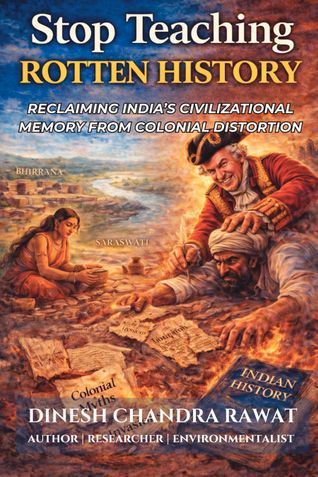
Stop Teaching Rotten History
Reclaiming India’s Civilizational Memory from Colonial Distortion
Explore book →
History Hides but Bharat Remembers
The Continuum from 12 209 BCE to Now
Explore book →
A Letter to Fellow Citizens
A Call for Truth, Courage & Bharat’s Civilizational Awakening
Explore book →
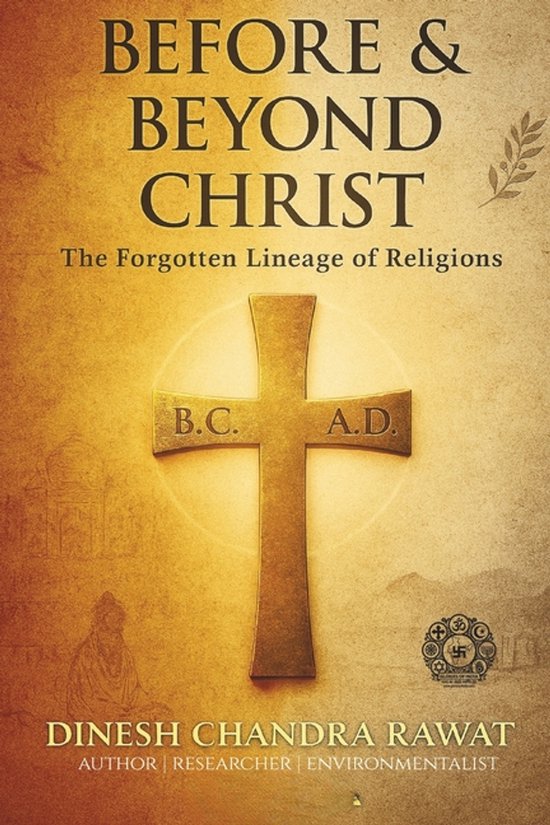
Evidence before interpretation
Watch the story, not only read it
Trailers, research explainers, field journeys, talks, cultural songs and environmental films can live in a clean, searchable library.
Follow the research as it grows
Receive new research, book releases, research-journey updates, videos and free resources without clutter.
CIVILIZATION • SANSKRIT • ARCHAEOLOGY • FIELD RESEARCH
Explore the Research Archive
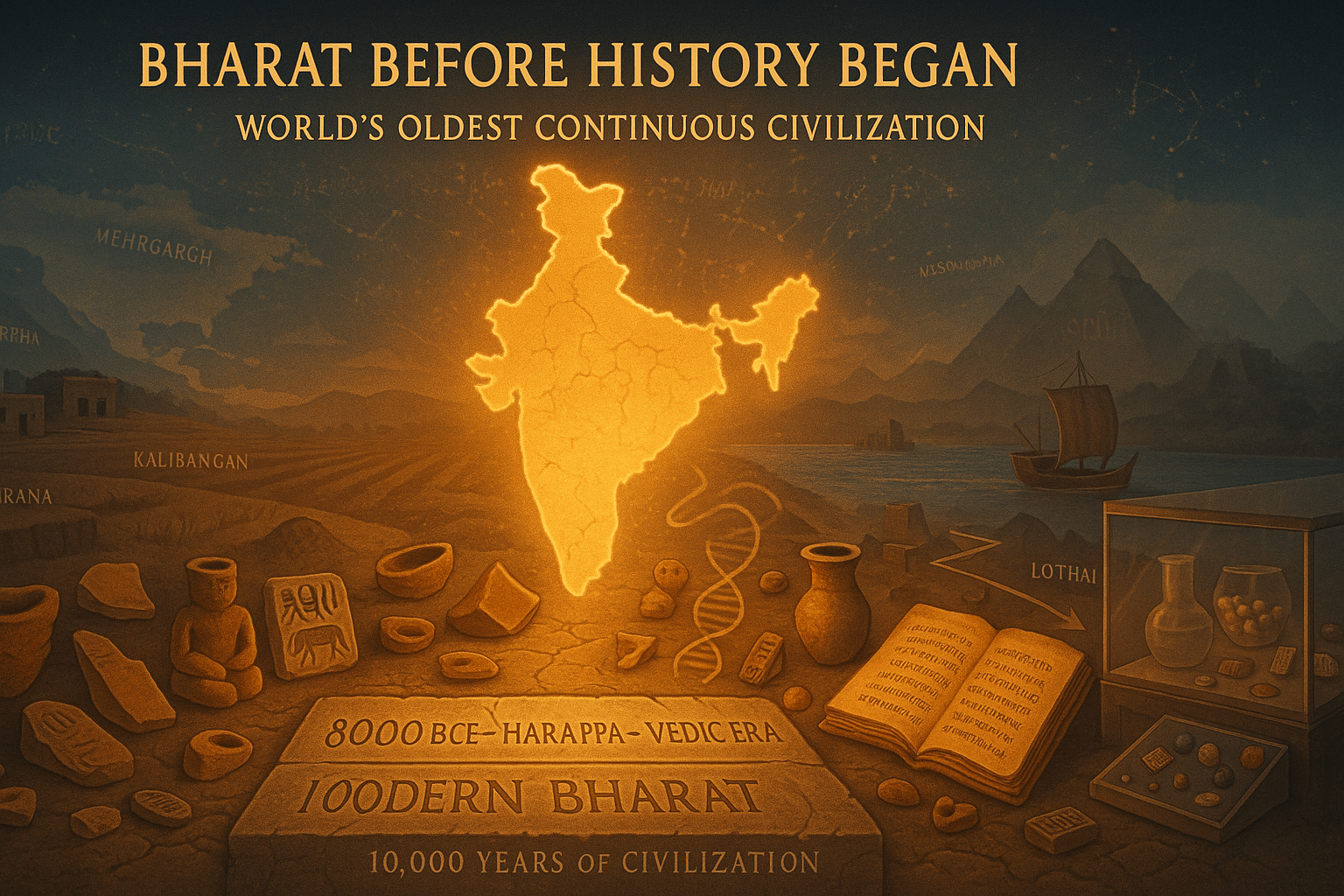
Bharat Before History Began
Exploring prehistory in the Indian subcontinent through archaeological clues, ancient settlements, and the dawn of human civilizational patterns.
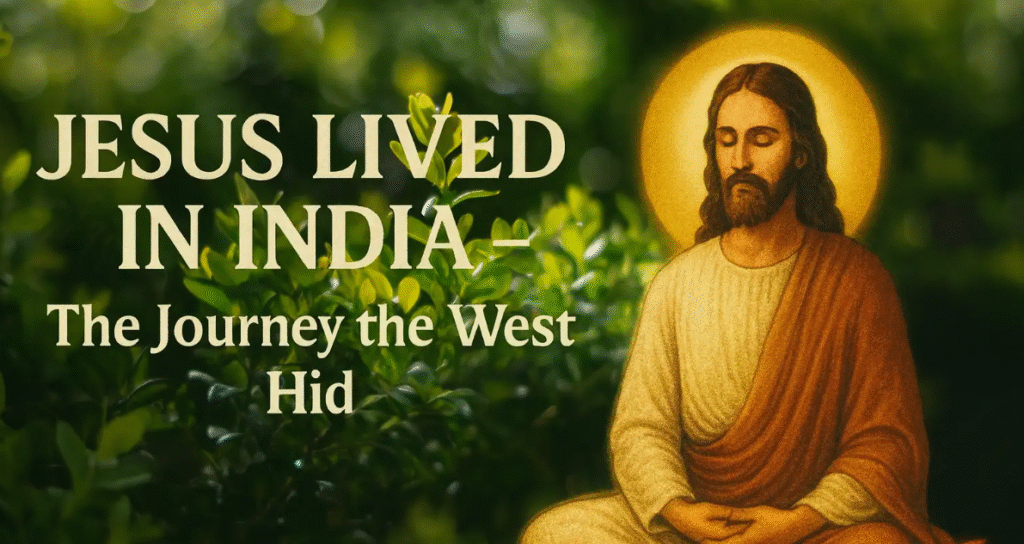
DID JESUS COME TO INDIA
For centuries, the Church claimed Jesus vanished from age 13 to 30. But ancient scrolls, Himalayan legends, and a forgotten tomb in Kashmir reveal another path. Was Christ a seeker of Indian wisdom? Explore what they never taught you in Bible class.
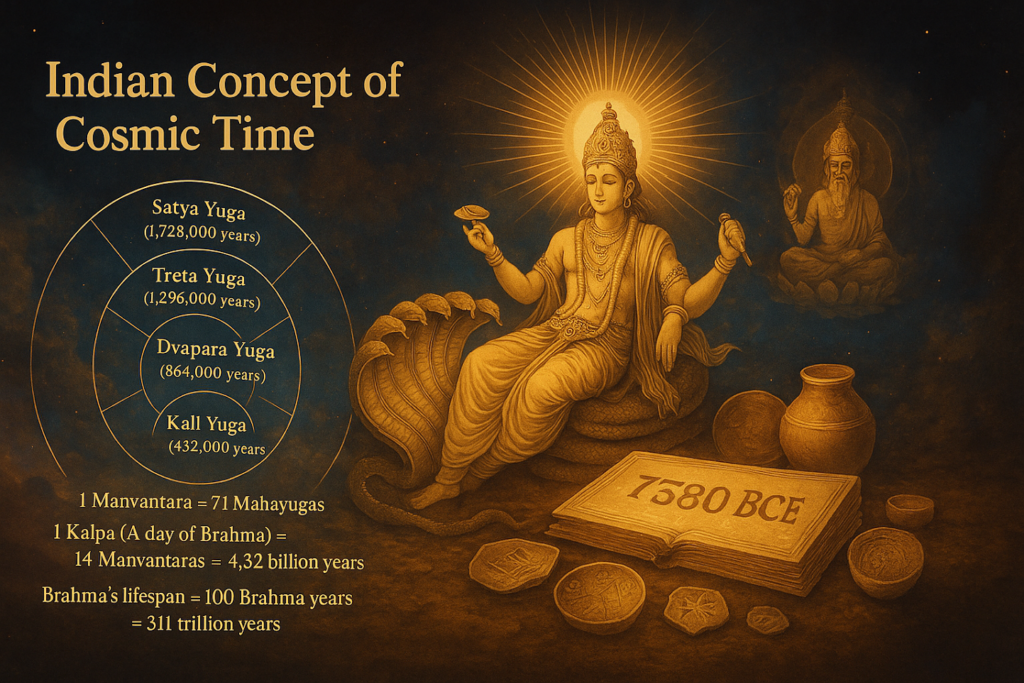
Cosmic Time and the Yugas – India’s Eternal Clock of Consciousness
In a world driven by deadlines, digital time, and modern calendars, have we forgotten the eternal clock that beats beyond seconds and hours?